One shared goal
Put team outcomes ahead of silos.
Strengthen communication, collaboration, trust and shared ownership through purposeful group challenges.
Based on challenges OBI has encountered while working with organizations, these are development challenges we frequently hear about.
Do departments prioritize their own targets over shared outcomes?
Do handoffs and unclear roles slow cross-functional work?
Do people avoid difficult conversations or withhold critical information?
When plans fail, does blame replace shared problem-solving?
Choose more than one answer, or describe your own situation. Three optional steps; no contact details required.
Build coordination, shared accountability and camaraderie through demanding experiences where colleagues learn they can rely on one another.
Put team outcomes ahead of silos.
Coordinate roles, dependencies and decisions.
Surface issues and listen across functions.
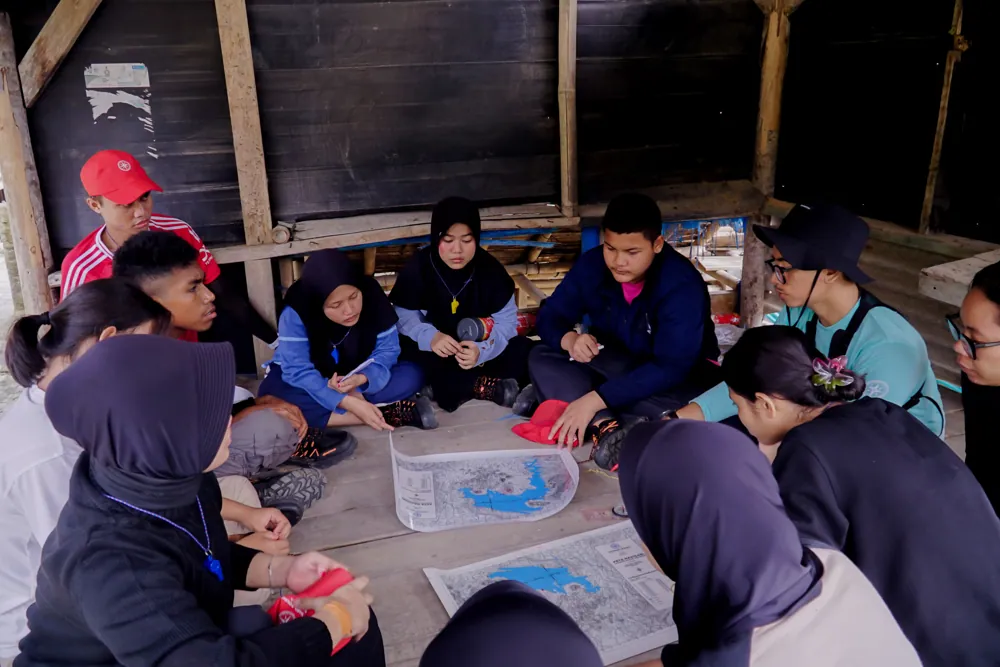
Solve problems together instead of shifting blame.
Trust grows when teammates face difficulty together, support one another and discover that colleagues have their back.
Through shared challenges and facilitated reflection, participants explore communication, mutual support, camaraderie and the trust needed to work across divisions.
OBI combines framing and practical preparation before each challenge, then uses expert facilitation and repeated application to turn experience into learning.
Introduce the learning purpose and activity, explain expectations and safeguards, and teach skills needed for the task.
Participants make choices and respond to appropriately demanding situations while trained instructors assess readiness, group dynamics and safety.
Through skilful, non-lecturing debriefs, participants examine their actions, responses, decisions and effects on others.
Participants practise insights again during the course and connect learning to their real-world responsibilities.
Shared difficulty makes support, coordination and trust tangible.
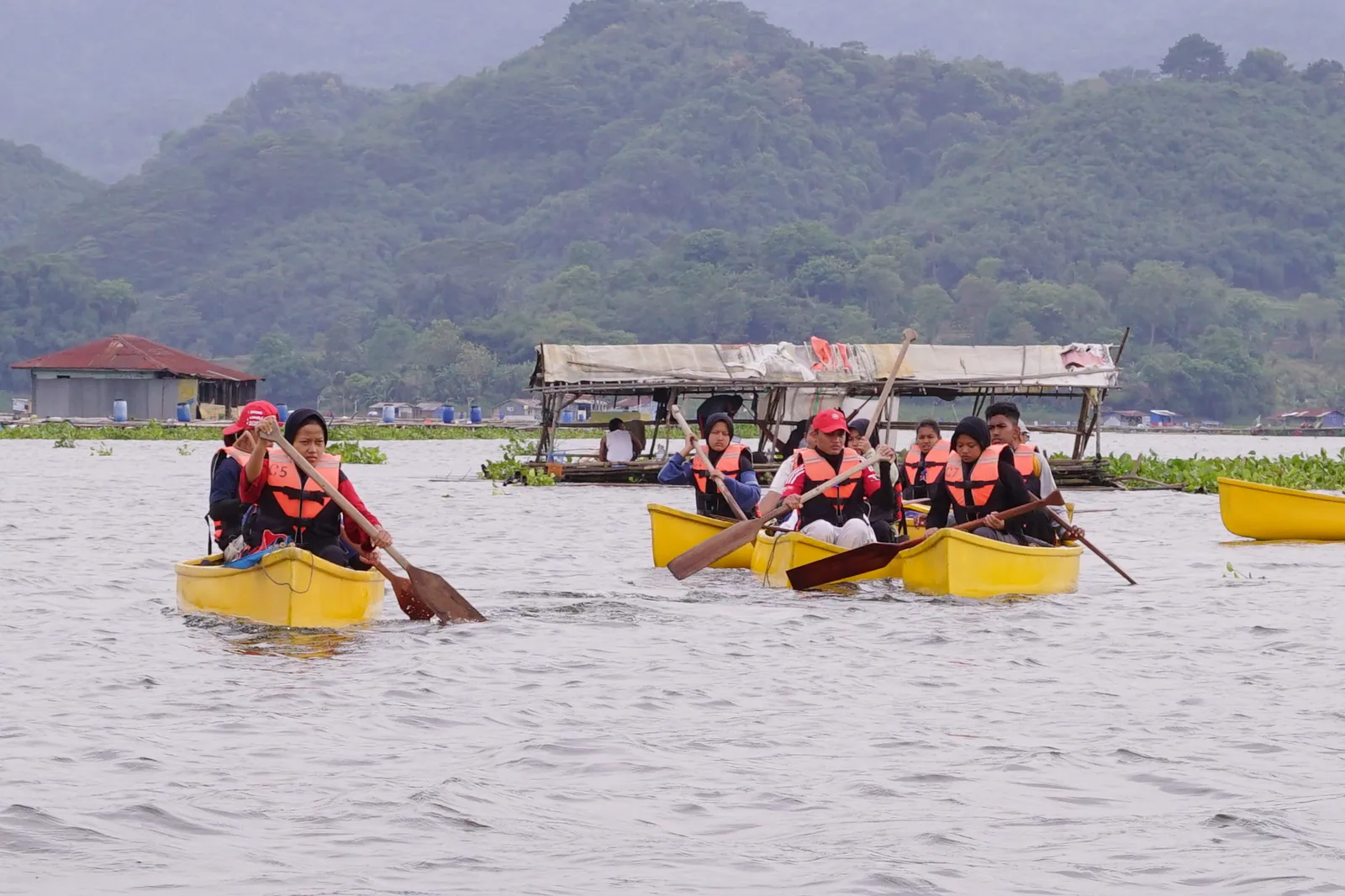
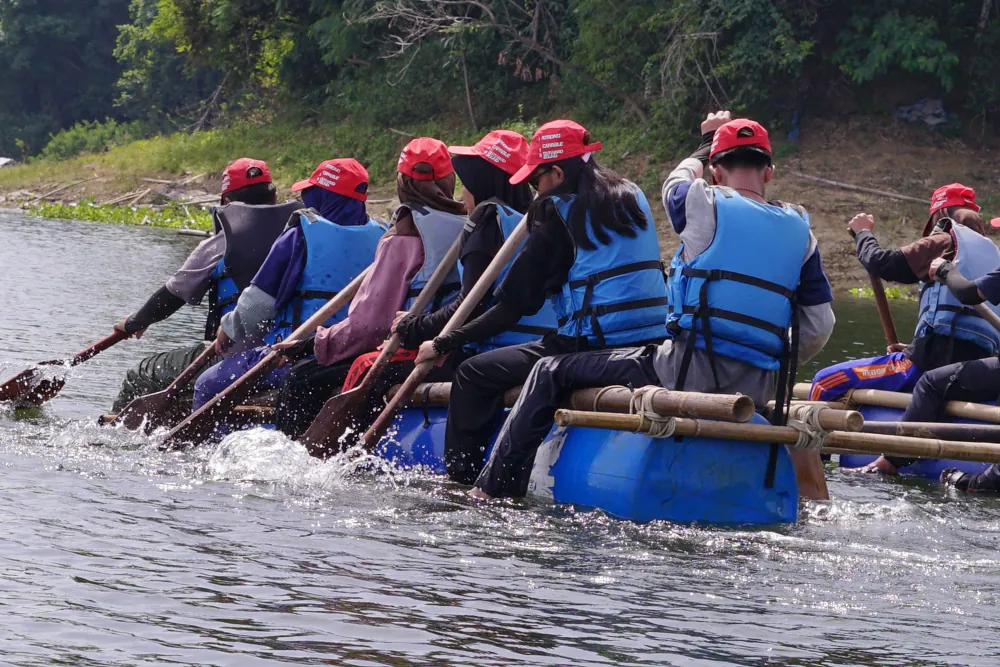
Canoeing requires people to coordinate effort, communicate clearly and respond to change in real time.
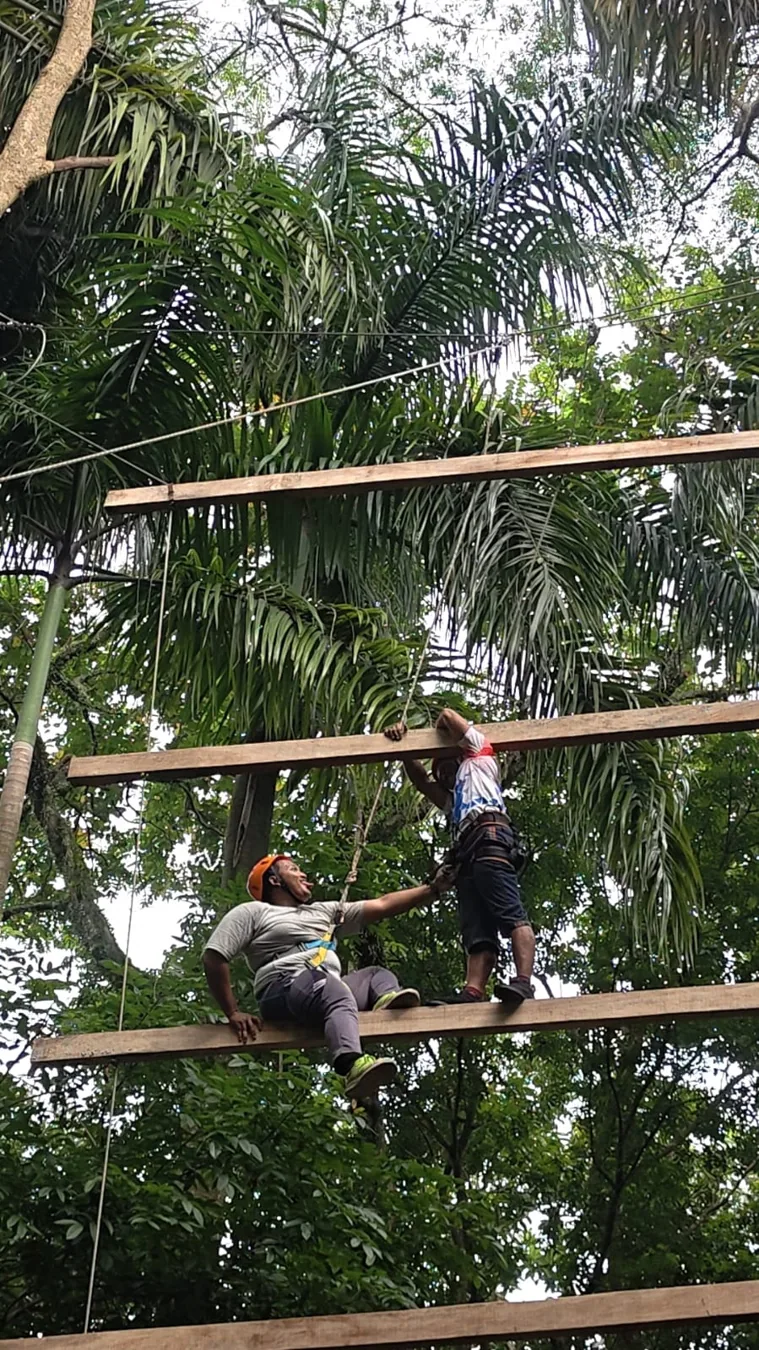
Giant ladder and other shared challenges provide moments to offer and receive genuine support when someone is struggling.
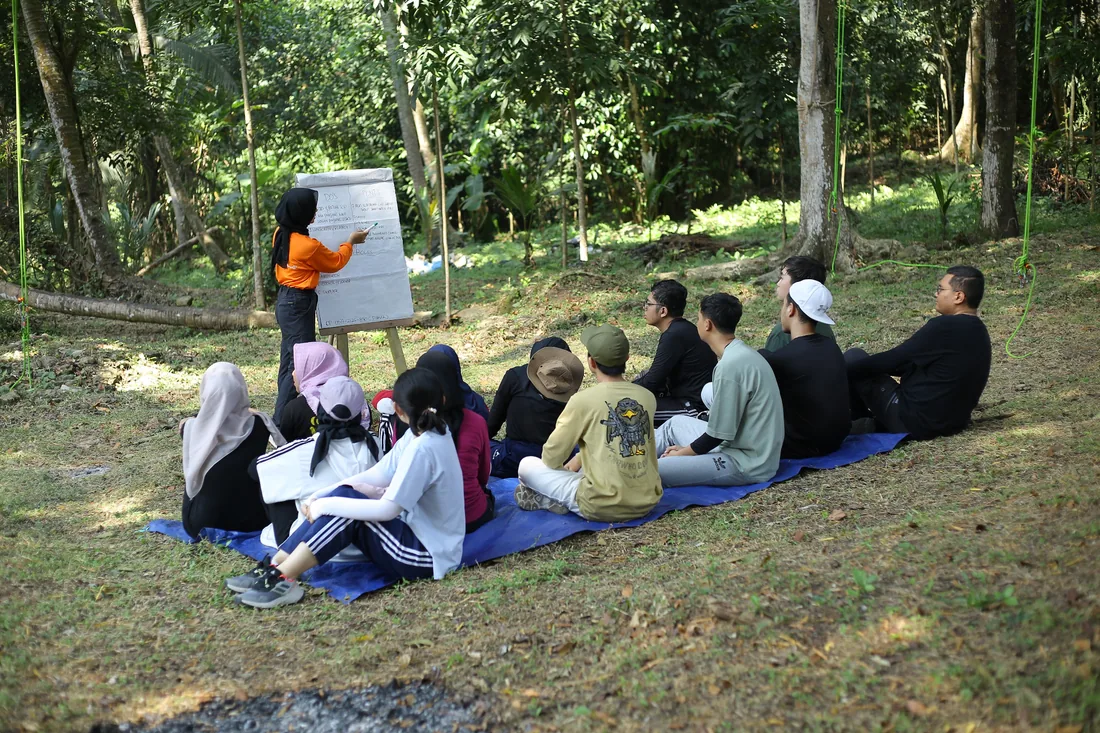
In facilitated debriefs, teams explore trust, communication, silos and shared accountability, then practise new approaches in subsequent activities.
Compassion, resilience and social competence can help explain how people relate, support one another and respond to challenges together.
Source: Outward Bound International Outcomes Survey dashboard, Outward Bound Indonesia four-day courses (n=184), participant self-reported pre/post assessment. Outcomes are relevant to this program, but these data are not a program-specific evaluation. The 0.34 reference comes from Hattie et al. (1997) and is a historical outdoor/adventure education research average using different samples and methods; it is contextual, not a like-for-like performance comparison.
Meaningful challenges require skilled facilitation and disciplined safety oversight. These are investments behind the learning—not optional extras.
Instructors undergo approximately six months of development, including technical and safety skills, with learning exchanges at Outward Bound Malaysia.
Meet the instructor standards ↗Outward Bound International conducts OBI safety reviews every two years. This adds international scrutiny to how programs are delivered.
See safety practices ↗Established, demanding activities are facilitated around defined development objectives, with reflection that connects decisions and behaviours to work.
Understand our approach ↗Tell us about your participants and the outcomes you want to strengthen.